Live Feed
ITP VERIFIEDTwo Weeks Out: What This Midterm Is Really Asking·ITP VERIFIEDLicense Plates, Faces, and the Surveillance We Paid For·ITP VERIFIEDThe Chart Is Not an Accident·ITP VERIFIEDTruth in Every Fact: Why Context Still Matters in the Age of Headlines·FACT CHECKWho Counts as a Refugee? The Legal Line·FACT CHECKFalse Flag: What the Phrase Actually Means·FACT CHECKReading a Chart Without Being Fooled by It·FACT CHECKWhat Is Framing and Why Does It Shape What You Believe?·AllAfricaNigeria: Nigeria Moves to Revive Joint Commissions With Sahelian Nations·NPRTrump endorses embattled Israeli Prime Minister Benjamin Netanyahu for reelection·AllAfricaMali: Military Attacks On Civilians, Insurgent Abuses·AllAfricaKenya: Mackenzie Faces Verdict Over 191 Murder Charges in Shakahola Case·Al JazeeraUS President Donald Trump endorses Netanyahu for Israeli election·BBC NewsMacron calls for 'calm and order' after riots across France·The Guardian‘This is not poker’: Alberta goes to polls in referendum that has exposed divisions, not least among separatists·BBC NewsNHS leaders say maternity care organisation is 'not fit for purpose'·BBC NewsCompanies exploiting welfare system by using residents as 'cash cows,' BBC finds·AllAfricaSouth Africa: Four New Mpox Cases Identified in South Africa·The GuardianAmelia Earhart researchers leave remote atoll empty-handed after ‘plane debris’ found to be a clump of trees·Al JazeeraPope greeted by crowds in first major appearance since lung cancer surgery·AllAfricaKenya: Kenya Cases Rise to 8, Spreads to 8th Congo Province·BBC News'Postcode lottery' driving children's inequality in England, commissioner warns·Al JazeeraLula and Bolsonaro spar in Brazil’s fiery first presidential run-off debate·AllAfricaSouth Sudan: Police Chief Masemola Returns to Office - South African News Briefs - October 19, 2026·BBC NewsFrance's government under pressure after weekend of widespread violence·The New York Times2028 Presidential ‘Shadow Primary’ Descends on the Midterm Elections·Al Jazeera‘It broke my heart’: Limoges residents reel after town hall fire·AllAfricaSudan: Drone Strikes Kill Civilians in Darfur and Kordofan As Attacks Target Eastern Sudan·ITP VERIFIEDTwo Weeks Out: What This Midterm Is Really Asking·ITP VERIFIEDLicense Plates, Faces, and the Surveillance We Paid For·ITP VERIFIEDThe Chart Is Not an Accident·ITP VERIFIEDTruth in Every Fact: Why Context Still Matters in the Age of Headlines·FACT CHECKWho Counts as a Refugee? The Legal Line·FACT CHECKFalse Flag: What the Phrase Actually Means·FACT CHECKReading a Chart Without Being Fooled by It·FACT CHECKWhat Is Framing and Why Does It Shape What You Believe?·AllAfricaNigeria: Nigeria Moves to Revive Joint Commissions With Sahelian Nations·NPRTrump endorses embattled Israeli Prime Minister Benjamin Netanyahu for reelection·AllAfricaMali: Military Attacks On Civilians, Insurgent Abuses·AllAfricaKenya: Mackenzie Faces Verdict Over 191 Murder Charges in Shakahola Case·Al JazeeraUS President Donald Trump endorses Netanyahu for Israeli election·BBC NewsMacron calls for 'calm and order' after riots across France·The Guardian‘This is not poker’: Alberta goes to polls in referendum that has exposed divisions, not least among separatists·BBC NewsNHS leaders say maternity care organisation is 'not fit for purpose'·BBC NewsCompanies exploiting welfare system by using residents as 'cash cows,' BBC finds·AllAfricaSouth Africa: Four New Mpox Cases Identified in South Africa·The GuardianAmelia Earhart researchers leave remote atoll empty-handed after ‘plane debris’ found to be a clump of trees·Al JazeeraPope greeted by crowds in first major appearance since lung cancer surgery·AllAfricaKenya: Kenya Cases Rise to 8, Spreads to 8th Congo Province·BBC News'Postcode lottery' driving children's inequality in England, commissioner warns·Al JazeeraLula and Bolsonaro spar in Brazil’s fiery first presidential run-off debate·AllAfricaSouth Sudan: Police Chief Masemola Returns to Office - South African News Briefs - October 19, 2026·BBC NewsFrance's government under pressure after weekend of widespread violence·The New York Times2028 Presidential ‘Shadow Primary’ Descends on the Midterm Elections·Al Jazeera‘It broke my heart’: Limoges residents reel after town hall fire·AllAfricaSudan: Drone Strikes Kill Civilians in Darfur and Kordofan As Attacks Target Eastern Sudan·
culture

What Is Framing and Why Does It Shape What You Believe?

How does the structure of a story, not just its facts, condition public understanding?

March 15, 2026
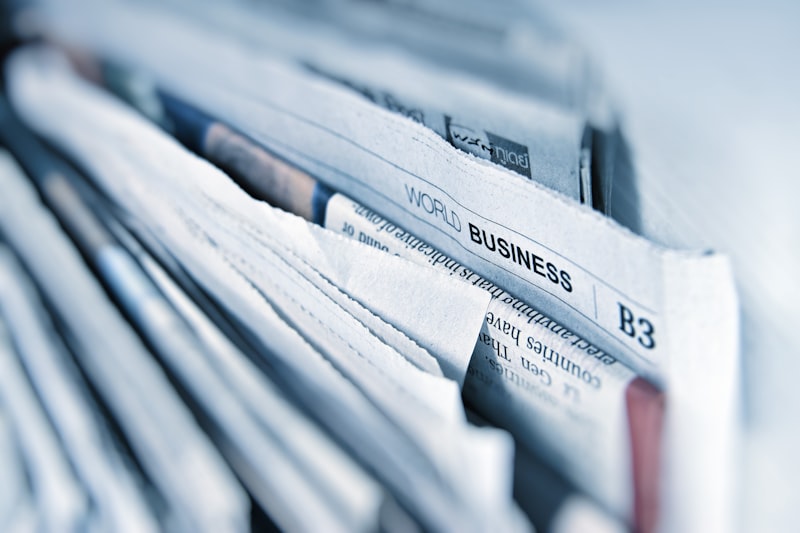
What Is Framing and Why Does It Shape What You Believe?

Framing is one of the most powerful forces in public communication, and one of the least discussed.

When we talk about bias in media, most people think about what is included or excluded. But framing goes a step further. It is about how information is organized, what language is used to describe it, what images accompany it, and what assumptions are quietly embedded in the way a story is told.

Two reporters can work from the same set of facts and produce two accounts that leave audiences with completely different impressions. Neither one has to lie. The difference is in the frame.

Consider how the same economic data can be presented as evidence of resilience or evidence of failure depending on which numbers get foregrounded, which communities get mentioned, and what historical context is included or omitted. The facts do not change. The meaning does.

Framing shapes what audiences see as the problem, who they see as responsible, and what solutions seem reasonable. It influences not just what people think about, but how they think about it.

Research in communications and political science has consistently shown that framing effects are real and measurable. The way a policy is described, whether as a cost or an investment, whether as a protection or a restriction, significantly affects how people evaluate it, even when the underlying policy is identical.

This is not a conspiracy. It is a feature of human cognition. We are meaning-making creatures, and we rely on frames to organize information quickly. The problem is when those frames go unexamined, particularly when they consistently center some experiences while marginalizing others.

Media literacy begins with learning to notice the frame. To ask: whose perspective is this story told from? What language was chosen and what does that language assume? What would this story look like if it were told differently?

These are not radical questions. They are the questions any careful reader should be asking. And they are the questions this platform is committed to helping its audience develop the habit of asking.

Optional analytics cookies help us understand site use. You may accept or decline them. Essential site functions remain available either way. See our Privacy Policy for details.